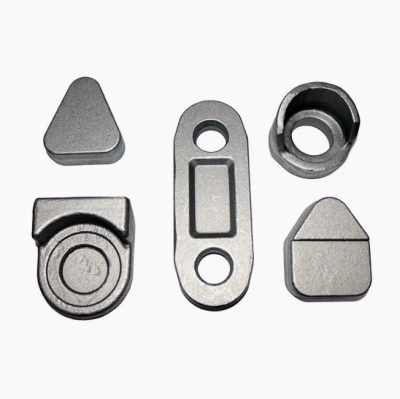
What is Hot Forged Parts?
Hot forging is a metalworking process in which metal needs to be heated above its recrystallization temperature. Depending on different materials, the temperature reach 1200°C, which allows for the flow stress and energy required to form the metal to lower, effectively increasing the rate of production (or strain rate). Hot forging helps in making the metal much easier to shape on demands as well as less likely to fracture. As the material is formed and shaped, its grain structure is broken down and homogenized into finer grains, which enhances the yield strength, ductility, and toughness of the material. Although hot forging is one of the oldest production method, it is still very efficient.
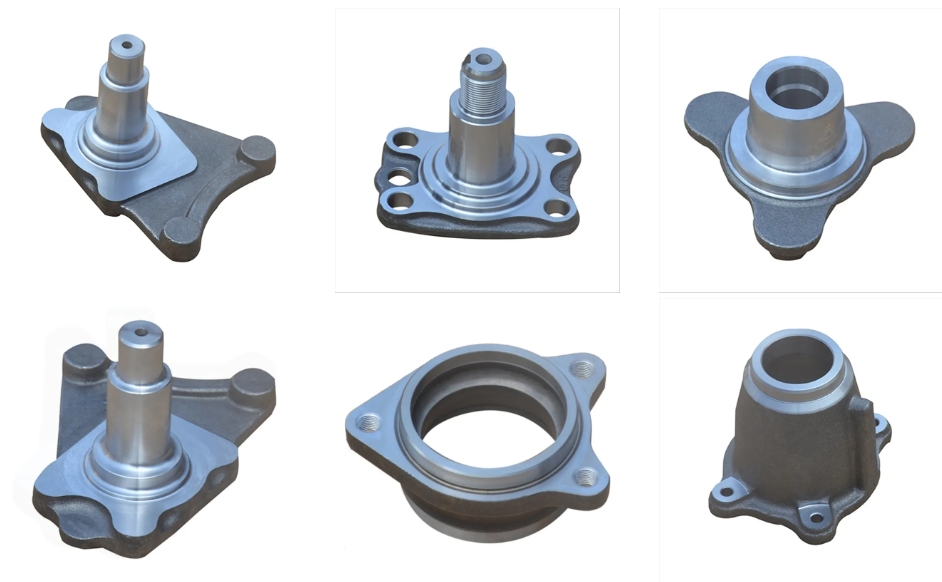
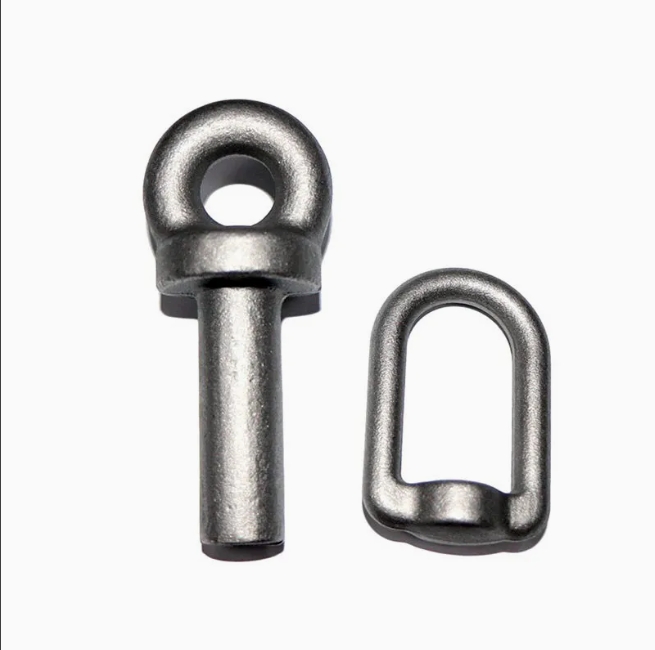
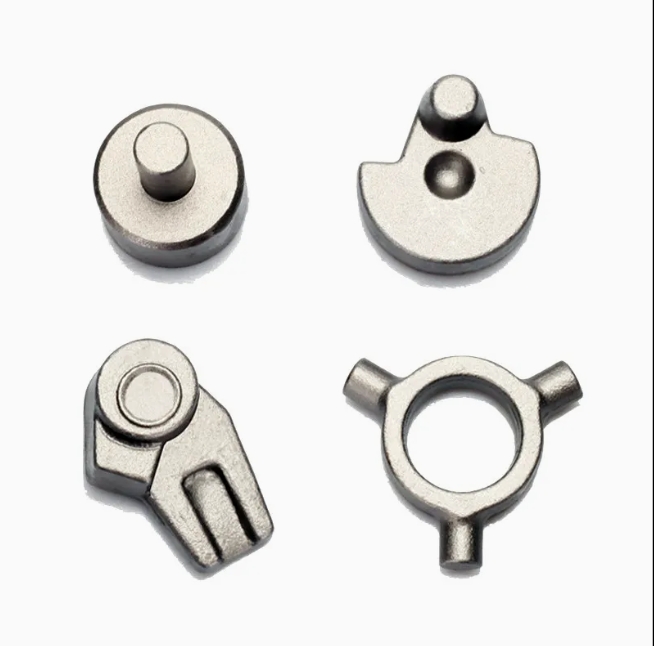
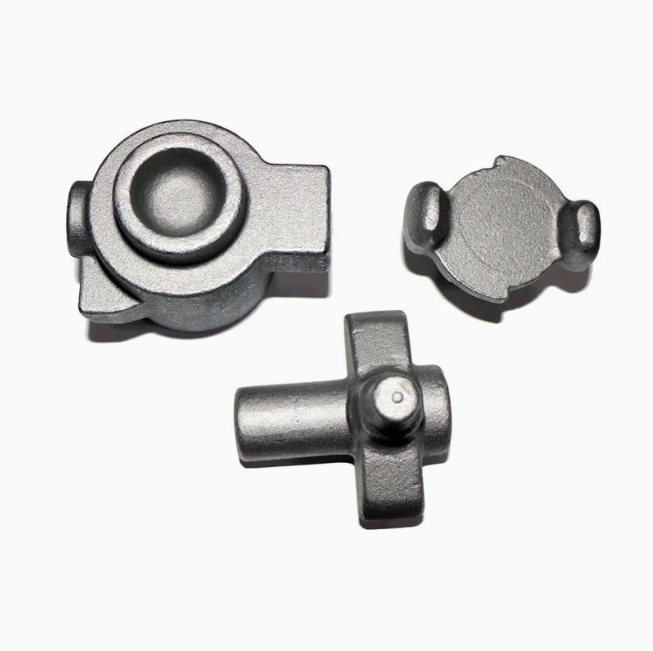
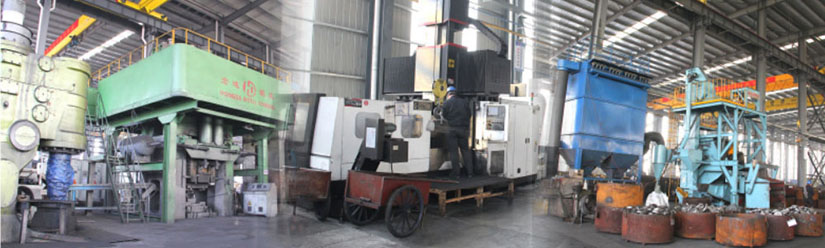
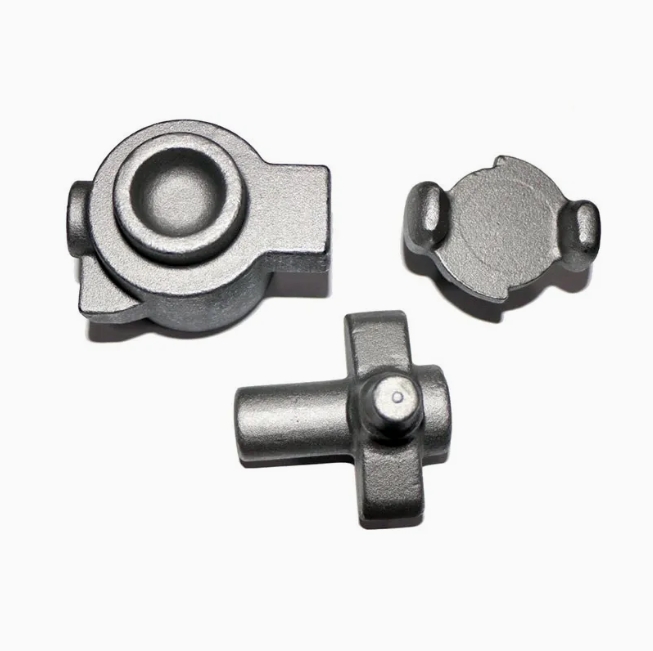
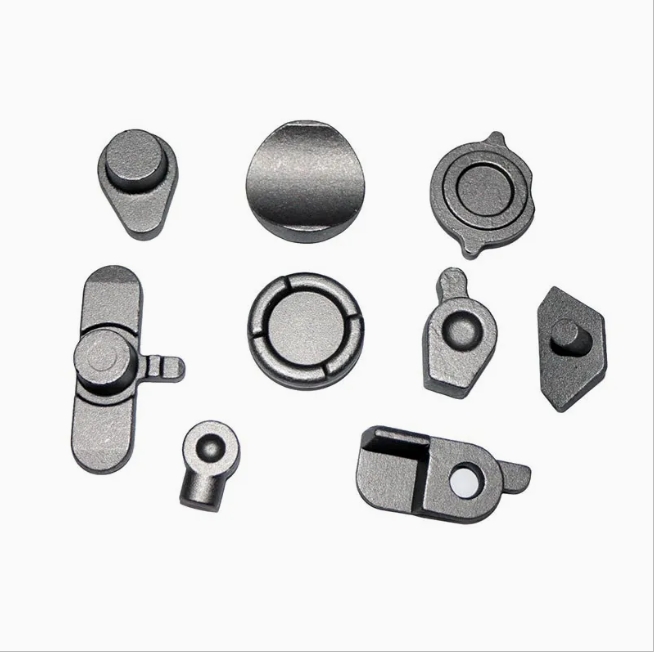
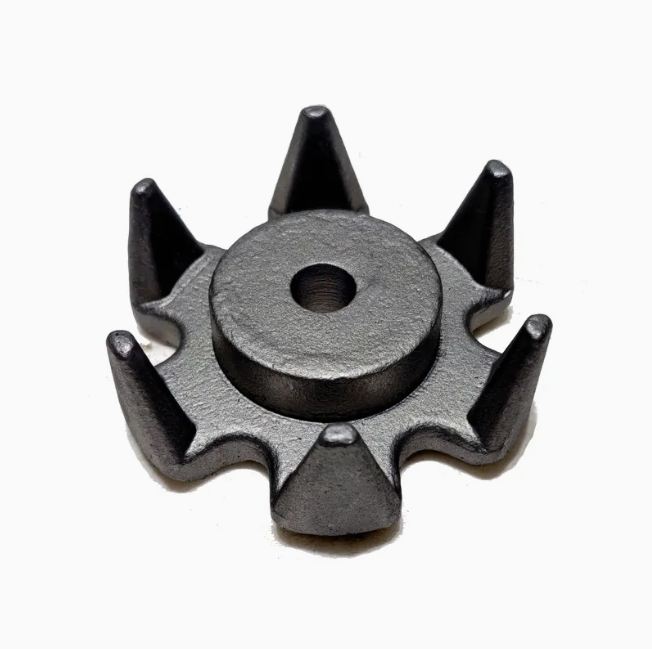
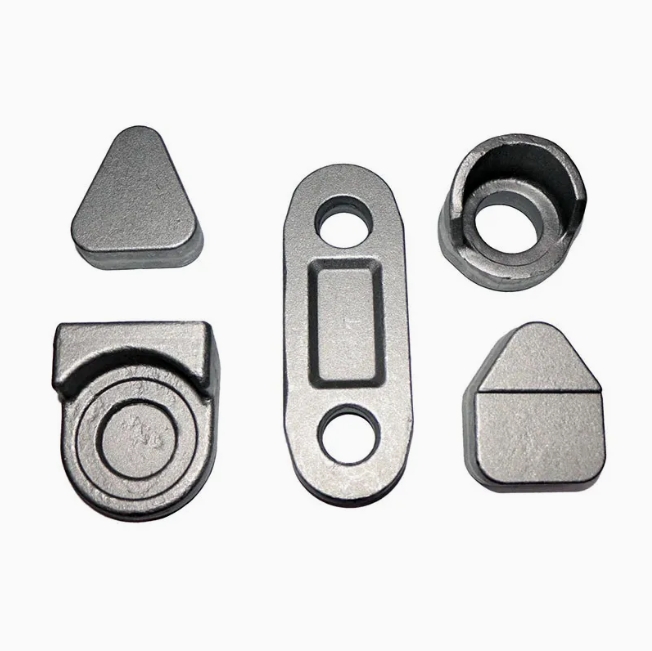
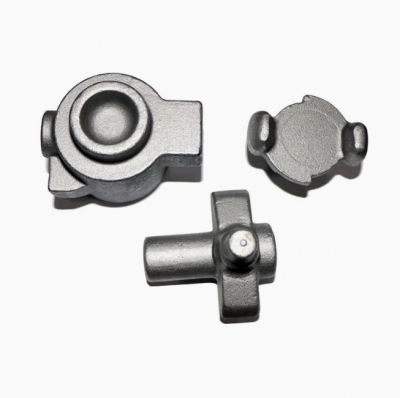
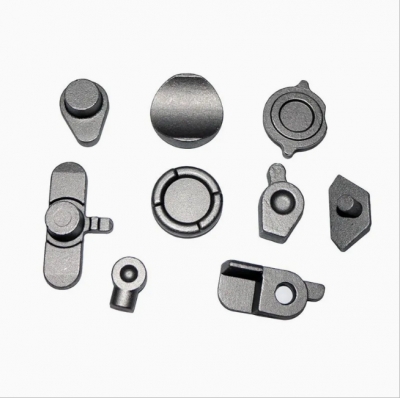
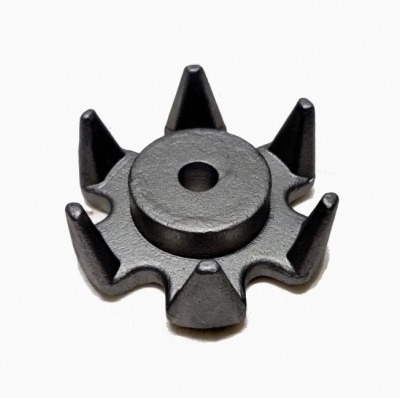
Working for your designs and concepts , our forging department can produce high quality hot forged parts that meet your unique requirements. As an experienced manufacturer and supplier, SHENGFA Hardware is always focus on providing high-precision hot forged parts to satisfy our customer.
The materials suitable for Hot Forged Parts
Iron, along with its alloys, are the most suitable material for hot forged parts. If process hardening progresses, hard materials (such as steel and iron) will become more difficult to work with, and it is a more economical option to hot forge metals such as steel and then follow with heat treatment processes as metals such as steel can be strengthened through other processes (and not necessarily just cold working processes). While other materials need to be strengthened through the forging process itself, materials such as most of the titanium and aluminum alloys, can be hot forged and then then hardened.
Average temperatures for hot forged parts as below:
Aluminum (Al) Alloys - 360° (680°F) to 520°C (968°F)
Copper (Cu) Alloys - 700°C (1 292°F) - 800°C (1 472°F)
Steel – up to 1 150°C (2 102°F)
Advantages of Hot Forged Parts
*Increased ductility for the material
*Complex shapes to be shaped
*Can achieve High precision
*Save Cost for Customer
*Enhanced Stiffness for the Final Parts
* Various Sizes and Weights

 Send Email
 Joseph
 184731149
 Joseph